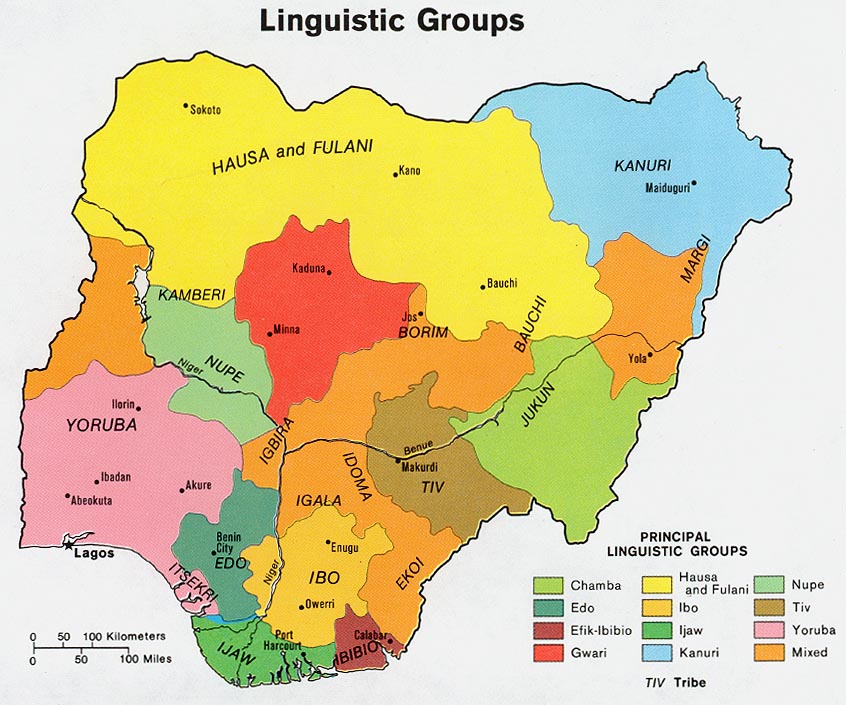
The Kam people are a small indigenous community living in Bali Local Government Area of Taraba State in north-central Nigeria. Their villages are concentrated in the area between Mayo Kam and Garba Chede, situated in the Benue River valley at the western foothills of a highland range north of the Kam River. Oral tradition holds that the Kam settled in the mountains north of the Kam River more than a thousand years ago, making them one of the oldest documented communities in the region. The name "Kam" itself is an exonym — an outside name given to the people — whose origin is uncertain. On the Joshua Project website, their language is listed as Kam (ISO 639-3 code: kdx), a tongue classified within the Adamawa-Ubangi branch of the Niger-Congo language family, and linguists have noted that its precise relationship to surrounding languages remains an active area of research. The Kam have historically shared close contact with the Kororofa Jukun people, and British colonial ethnographer C. K. Meek documented them in his 1931 work Tribal Studies in Northern Nigeria. Taraba State, created in 1991 from the former Gongola State, is one of Nigeria's most linguistically diverse states, home to approximately 80 distinct ethnic groups, and the Kam are among its smaller and lesser-known communities. Sadly, many younger Kam parents now speak only Hausa to their children, placing the Kam language at risk of intergenerational loss.
The Kam are farmer-fishermen who draw their livelihood from both the land and the rivers of the Benue valley. Staple crops include maize, millet, sorghum, yams, and cassava — the same agricultural base common across Taraba State — and fishing along the Benue and its tributaries provides an important source of protein for families. Livestock such as goats and cattle supplement the household economy and play a role in ceremonial life. Communal work patterns and age-based social structures help organize labor in the villages, and elders carry authority in matters of justice and community governance.
Family life is woven around extended kinship networks, and the birth of children, marriages, and funerals draw communities together for celebration, mourning, and the reinforcement of social bonds. Cultural dances and oral storytelling serve as living repositories of history and identity, and the Jibu culture dance celebrated in the Bali LGA area reflects the broader festive life of the region that the Kam share with neighboring peoples.
Urbanization and the attraction of larger towns are drawing young Kam away from village life, compounding the pressure on the language and traditional culture. Taraba State also faces ongoing security challenges — including farmer-herder conflicts and banditry — that bring fear and disruption to rural communities like those of the Kam.
Most of the Kam practice traditional ethnic religion, which centers on a worldview in which spiritual forces are intimately bound up with the natural world — the mountains, the rivers, and the land that the Kam have inhabited for a millennium. Ritual practices, the propitiation of spirits, and consultation of traditional religious specialists mark key transitions in life and are tied to the agricultural seasons.
A significant minority of the Kam identify as Christians, and a smaller portion have adopted Islam. Bible translation work in the Kam language is underway, and audio gospel recordings are available in Kam — modest but meaningful provisions of the sord of God for this community. The spiritual landscape of the Kam reflects a community at a genuine crossroads: the majority have not yet turned to Jesus Christ, who alone can forgive sin, restore broken relationship with the living God, and give eternal life.
Access to quality healthcare, reliable schools, and clean water are physical needs that many rural communities in Bali LGA, including the Kam, continue to face. The preservation and development of the Kam language is urgent, particularly as younger generations shift to Hausa, which threatens to sever the community from its own identity and from scripture being developed in their heart tongue. Evangelists and church planters who are willing to learn the Kam language and invest in long-term relationships with the community are a vital need, as genuine gospel witness requires the kind of patient presence that earns trust. The small number of Kam Christians needs the encouragement of discipleship, fellowship, and access to biblical teaching so they can grow into a community of faith capable of bearing witness to their own people.
Pray that the living God would open the hearts of the Kam to the good news of Jesus Christ, and that the ongoing Bible translation work and audio recordings in Kam would become instruments of the Holy Spirit to bring conviction and saving faith.
Ask the Lord to raise up faithful workers — ideally from Nigeria's own diverse church — who will learn the Kam language, live among the people, and plant churches that are rooted in Scripture and the soil of Kam culture.
Pray for peace, physical security, and practical provision for Kam families facing the hardships of poverty, insecurity, and limited access to healthcare and education in Taraba State.
May the Kam believers who know Jesus Christ grow strong in their faith and, in God's timing, become a sending community that shares the gospel not only within their own villages but with the many unreached peoples of the surrounding region.
Scripture Prayers for the Kam in Nigeria.
https://joshuaproject.net/people_groups/12457/NI
https://llacan.cnrs.fr/AdaGram/wom.html
https://en.wikipedia.org/wiki/ISO_639:kdx
https://www.elararchive.org/dk0652/
https://www.blogs.uni-mainz.de/fb07-adamawa/kam-nyingwom/
https://globalrecordings.net/en/language/kdx
https://en.wikipedia.org/wiki/Taraba_State
https://zodml.org/discover-nigeria/states/taraba-state
| Profile Source: Joshua Project |